How to Sell Health Insurance in Kenya: 6 Steps That Work

I once watched a new insurance agent call 200 people in one month.
Know how many policies he sold?
Zero.
Meanwhile, his colleague — who made maybe 20 calls — sold 15 policies.
What was the difference?
The second guy wasn't selling insurance.
He was solving problems.
And that's the entire game.
Table of Contents
- Why Most Agents Fail at Selling Health Insurance
- The Only 3 Things You Need to Sell Health Insurance
- Step 1: Find the Right People (Lead Generation)
- Where to Find Health Insurance Leads (That Actually Convert)
- Step 2: The First Conversation (Discovery, Not Selling)
- Step 3: Create Urgency (Without Being Pushy)
- Step 4: Simplify the Options (Don't Overwhelm Them)
- Step 5: Handle Objections Like a Pro
- Step 6: Close the Deal (Make It Easy to Say Yes)
- Tools That Actually Help You Sell More
- The Follow-Up Formula (Where Most Sales Happen)
- How to Build a Referral Machine
- Common Mistakes That Kill Sales
- How Much Can You Actually Earn?
- The 30-60-90 Day Plan for New Agents
- How to Sell Group Health Insurance to Companies
- Red Flags: Clients to Avoid
- Next Steps: Your First 10 Sales
- Final Thoughts
Why Most Agents Fail at Selling Health Insurance
Let's get the ugly truth out of the way.
80% of new insurance agents quit within 12 months.
Why?
They think selling insurance means:
- Cold calling strangers
- Memorizing product features
- Pushing people to buy
Here's what it actually means:
- Finding people who already need insurance
- Showing them why they need it NOW
- Making the buying process dead simple
The agents who win? They do those three things better than everyone else.

The Only 3 Things You Need to Sell Health Insurance
Forget fancy CRMs. Forget scripts.
Here's what actually matters:
1. Trust
People buy from people they trust. Period.
2. Urgency
"I'll think about it" = "I'm never buying." Create urgency.
3. Simplicity
Complicated = no sale. Make it easy to understand and easy to buy.
That's it.
Everything else is just tactics.
Step 1: Find the Right People (Lead Generation)
You can't sell to everyone.
Here's who actually buys health insurance:
✔ Young families (new parents are gold) ✔ Self-employed professionals ✔ Small business owners ✔ Corporate employees (group plans) ✔ People who just had a medical scare
Here's who wastes your time: ✘ Broke college students ✘ "I'll buy next month" people ✘ "My cousin sells insurance" people
Focus your energy on the first group.

Where to Find Health Insurance Leads (That Actually Convert)
Strategy 1: Community Groups (Chamas, Churches, Alumni)
This is the easiest.
Join groups you're already part of. Position yourself as the "insurance person." Offer free insurance reviews.
Conversion rate: 15-25%
Strategy 2: Social Media (WhatsApp, Facebook, LinkedIn)
Post helpful content. Not sales pitches.
Examples:
- "3 things your health insurance doesn't cover"
- "How to file a claim in under 10 minutes"
- "NHIF vs private insurance: what's the difference?"
People DM you. You sell.
Conversion rate: 10-15%
Strategy 3: Corporate Partnerships (SMEs)
Reach out to small businesses (10-50 employees). Offer group health insurance packages.
Conversion rate: 30-40% (if you get a meeting)
Strategy 4: Referrals
Your best source.
Ask every client: "Who else do you know that needs insurance?"
Offer referral incentives (KES 500-1,000 per successful sale).
Conversion rate: 40-60%
Step 2: The First Conversation (Discovery, Not Selling)
Most agents mess this up.
They launch into product features immediately.
Wrong.
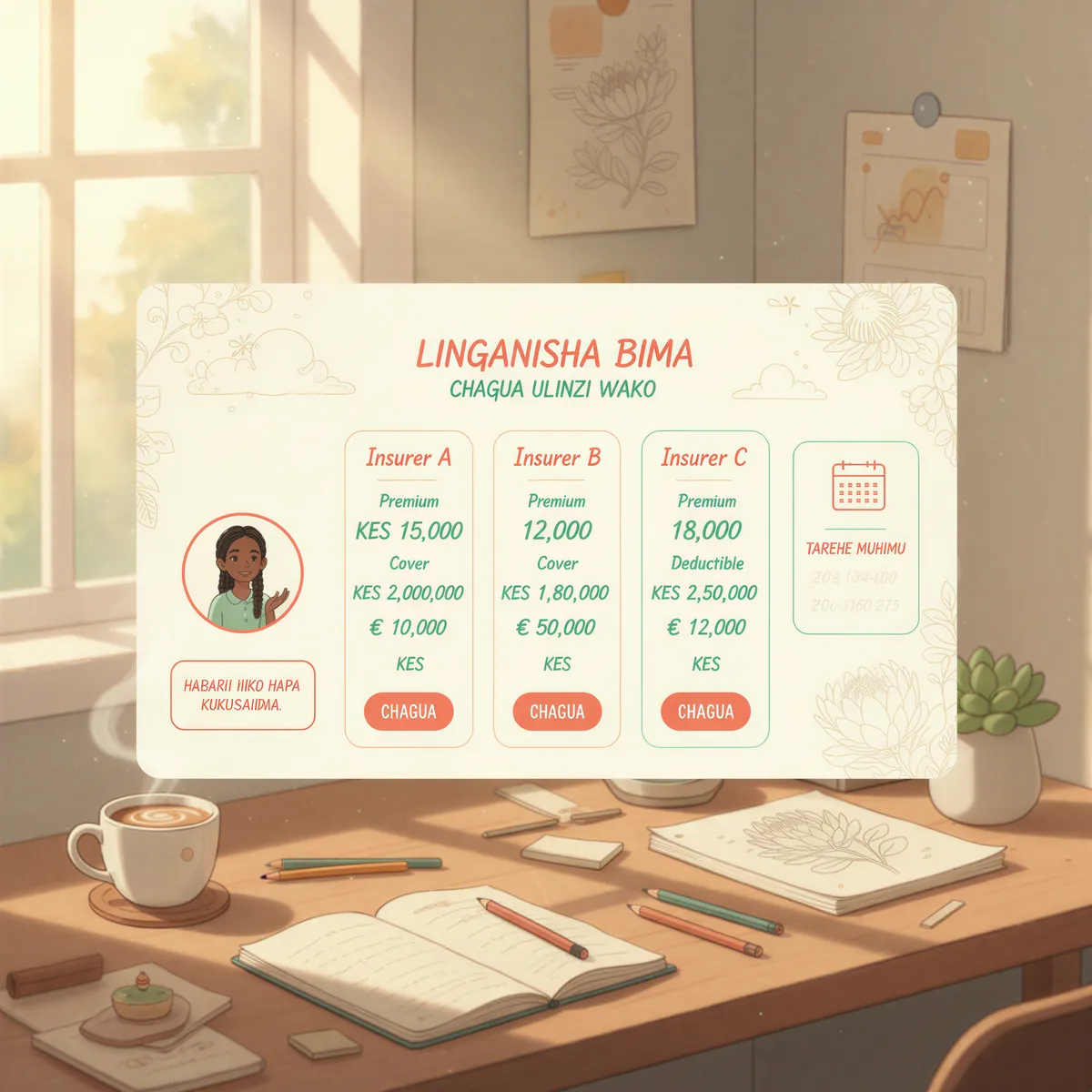
Your first conversation has ONE goal: Understand their situation.
Questions to ask:
- "Do you currently have health insurance?"
- "What hospitals do you prefer?"
- "Have you had any recent medical expenses?"
- "What's your biggest concern about health insurance?"
- "If you could design the perfect plan, what would it include?"
Listen more than you talk.
Take notes.

Step 3: Create Urgency (Without Being Pushy)
"I'll think about it" kills deals.
Here's how to create urgency:
Tactic 1: The Medical Scare Story
"My client John delayed buying insurance. Two months later, his son needed surgery. KES 200,000 out of pocket."
Real story. Real consequences.
Tactic 2: The Waiting Period Reminder
"If you're planning a family, maternity cover has a 10-month waiting period. Buy now or wait another year."
Tactic 3: The Premium Increase Warning
"Premiums go up 10-15% every year. Lock in this year's rate before March."
Tactic 4: The Limited-Time Incentive
"If you sign this week, I'll include a free insurance review for your parents."
Not manipulation. Just facts presented strategically.
Step 4: Simplify the Options (Don't Overwhelm Them)
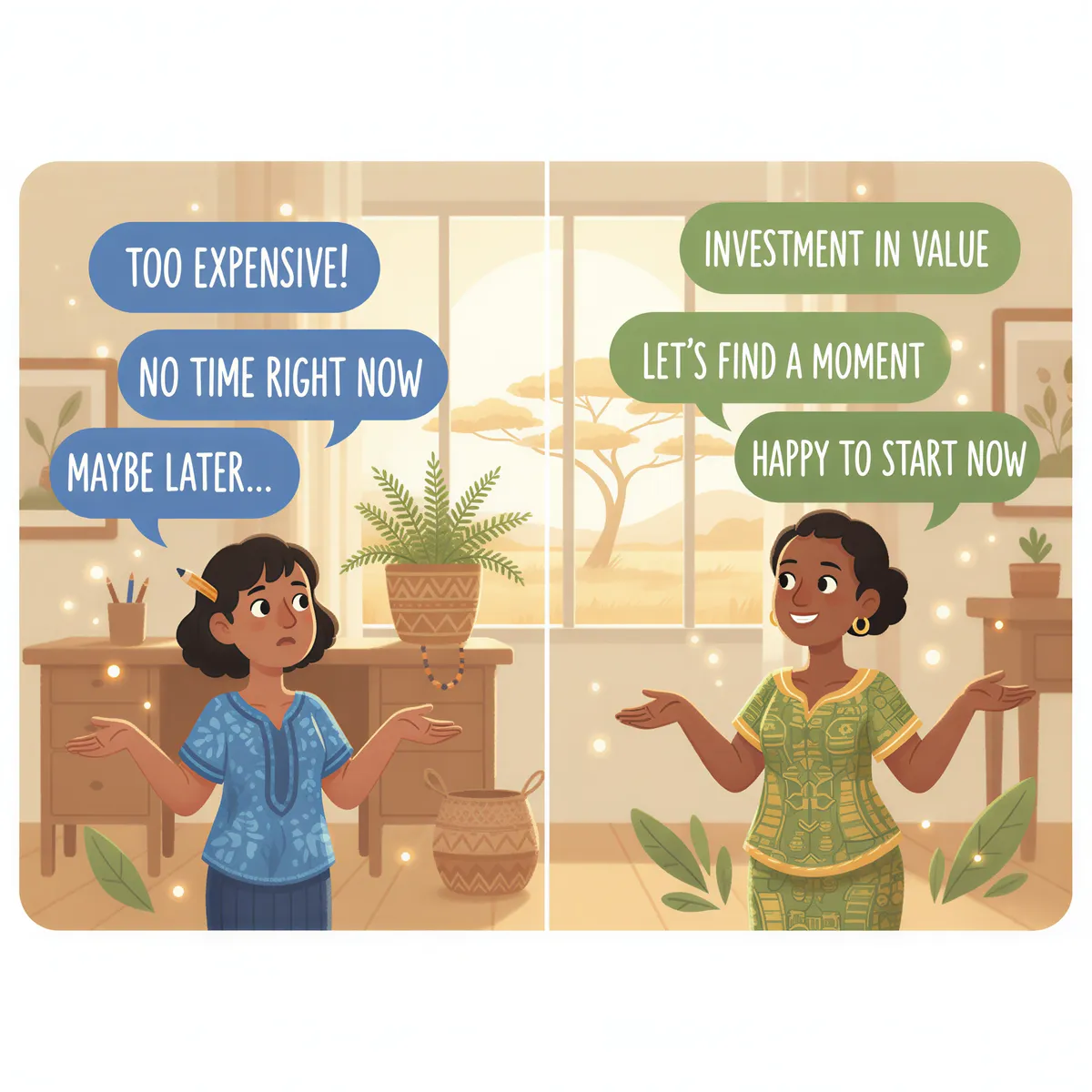
People don't want 10 plan options.
They want one good recommendation.
Here's the script:
"Based on what you told me, I'd recommend Plan X. It covers your preferred hospitals, includes outpatient for your kids, and fits your budget. Here's exactly what you'll pay and what you'll get."
Then show them one quote.
If they ask for alternatives, show two more. Max.
Too many options = analysis paralysis = no sale.

Step 5: Handle Objections Like a Pro
Every prospect has objections.
Here's how to handle the most common ones:
Objection 1: "It's too expensive"
Response: "I get it. Let me ask — how much would you pay out of pocket if your child needed surgery tomorrow? KES 150,000? KES 200,000? This plan costs KES 5,000/month. That's less than two dinners out."
Objection 2: "I already have NHIF/SHA"
Response: "SHA is great for public hospitals. But if you want private hospitals, fast service, and private rooms, you need private insurance. Think of SHA as your base. This is your upgrade."
Objection 3: "I'm young and healthy"
Response: "That's exactly why you should buy now. Premiums are based on age. Lock in low rates while you're young. Plus, accidents don't care how healthy you are."
Objection 4: "I need to talk to my spouse"
Response: "Of course. How about I send you a summary you can share? And let's schedule a call for Friday so I can answer any questions you both have."
Never argue. Never push. Just reframe.
Step 6: Close the Deal (Make It Easy to Say Yes)
You've done the work.
Now close.
The assumptive close: "Great. I'll send you the application form now. You can fill it digitally and we'll have you covered by next week."
The choice close: "Would you prefer to pay monthly or annually? Annual saves you 10%."
The urgency close: "Let's get this started today. I'll need your ID and M-Pesa number. Takes 5 minutes."
Don't ask "Do you want to buy?"
Assume they're buying. Just make it easy.
Tools That Actually Help You Sell More
1. Quote Comparison Tools (Like BimaSasa) Show clients side-by-side quotes from multiple insurers. Builds trust. Closes deals faster.
2. WhatsApp Business All your clients are on WhatsApp. Use it for quotes, reminders, claims help.
3. Google Sheets CRM Track leads, follow-ups, renewals. Simple. Free. Effective.
4. Payment Links M-Pesa payment links make it easy for clients to pay instantly.
5. Calendar Booking Tool (Calendly) Let clients book calls directly. No back-and-forth.
The Follow-Up Formula (Where Most Sales Happen)
80% of sales happen after the 5th follow-up.
But most agents give up after 2.
Here's the follow-up schedule:
- Day 1: Send quote + summary
- Day 3: "Did you get a chance to review?"
- Day 7: Share a testimonial or success story
- Day 14: "Premiums are increasing next month. Let's lock in your rate."
- Day 30: "Still thinking about it? Let me answer any questions."
Use WhatsApp. Not calls. Less intrusive.
How to Build a Referral Machine
Every client should give you 2-3 referrals.
Here's how:
Step 1: Ask at the Right Time
Right after they buy (when they're happiest).
Step 2: Make It Specific
"Who do you know with young kids that needs health insurance?"
Not: "Do you know anyone who needs insurance?"
Step 3: Offer an Incentive
"For every person you refer who buys, I'll give you KES 1,000 M-Pesa."
Step 4: Make It Easy
Send them a message they can forward:
"Hi, this is [Your Name], my insurance agent. He helped me save KES 15,000 on health insurance. Let me connect you."

Common Mistakes That Kill Sales
Mistake 1: Talking Too Much Listen more than you talk. Ask questions.
Mistake 2: Selling Features, Not Benefits Nobody cares about "500,000 inpatient limit." They care about "your surgery is fully covered."
Mistake 3: Not Following Up One call = no sale. Five follow-ups = sale.
Mistake 4: Ignoring Existing Clients Renewals = easiest sales. Don't forget your current clients.
Mistake 5: Competing on Price Alone Cheapest doesn't mean best. Sell value, not price.
How Much Can You Actually Earn?
Let's do the math.
Beginner Agent (5 policies/month)
- Average premium: KES 50,000/year
- Commission: 10% (the legal maximum on health)
- Monthly earnings: KES 25,000
Intermediate Agent (15 policies/month)
- Average premium: KES 50,000/year
- Commission: 10%
- Monthly earnings: KES 75,000
Top Agent (30+ policies/month + renewals)
- New policies: 30/month
- Renewals: 100/year
- Commission: 10% on new business and renewals
- Monthly earnings: about KES 190,000
These use the 10% cap from the Insurance Regulations. Your agency agreement may pay less.
Renewals are where the real money is.
The 30-60-90 Day Plan for New Agents
Days 1-30: Build Your Foundation
- Get 20 leads (from warm network)
- Have 10 discovery conversations
- Close 3-5 deals
Days 31-60: Scale Your Outreach
- Get 30 leads (mix of warm + cold)
- Have 20 discovery conversations
- Close 8-10 deals
- Ask for referrals
Days 61-90: Build Your Referral Engine
- Get 40 leads (mostly referrals)
- Have 25 discovery conversations
- Close 12-15 deals
- Automate follow-ups
By month 4, you should have a steady pipeline.
How to Sell Group Health Insurance to Companies
Corporate sales = bigger commissions.
Step 1: Find SMEs with 10-50 employees They're big enough to need insurance. Small enough to decide fast.
Step 2: Lead with savings "I can cut your current health insurance costs by 20% while improving coverage."
Step 3: Offer free audit "Let me review your current plan and show you where you're overpaying."
Step 4: Present side-by-side comparison Old plan vs. your recommended plan. Make it visual.
Step 5: Close with testimonials "Here's what [similar company] saved when they switched."
One corporate deal = 20-50 individual policies worth of commission.
Red Flags: Clients to Avoid
Not every prospect is worth your time.
Walk away if:
-
They want you to lie on the application "Can you say I don't smoke?" Nope. That's fraud.
-
They want to buy right before a planned surgery Pre-existing condition. Won't be covered. Don't promise otherwise.
-
They're shopping purely on price "I found it KES 1,000 cheaper online." Let them go.
-
They're rude or disrespectful Life's too short. Move on.
Protect your reputation. It's your biggest asset.
Next Steps: Your First 10 Sales
- Make a list of 50 people you know
- Message 10 of them this week
- Have 5 discovery conversations
- Send 3 quotes
- Close 1-2 deals
Then repeat.
Every. Single. Week.
Consistency > intensity.
Final Thoughts
Selling health insurance isn't about being pushy.
It's about:
- Finding people who need it
- Showing them why they need it NOW
- Making it easy to buy
Do those three things well, and you'll never struggle to hit quota.
And if you want to make it even easier?
Use tools that compare quotes, automate follow-ups, and close deals faster.
Because the agents who win aren't just good at selling.
They're good at systems.
Start Generating Quotes in Minutes
Compare quotes from Kenya's leading insurers and send a client a proposal in under a minute.
No credit card required.
Get quotes from 40+ underwriters in under 30 seconds.
All quotes meet Insurance Regulatory Authority standards.
Never miss a commission payment with automatic tracking.